Profile
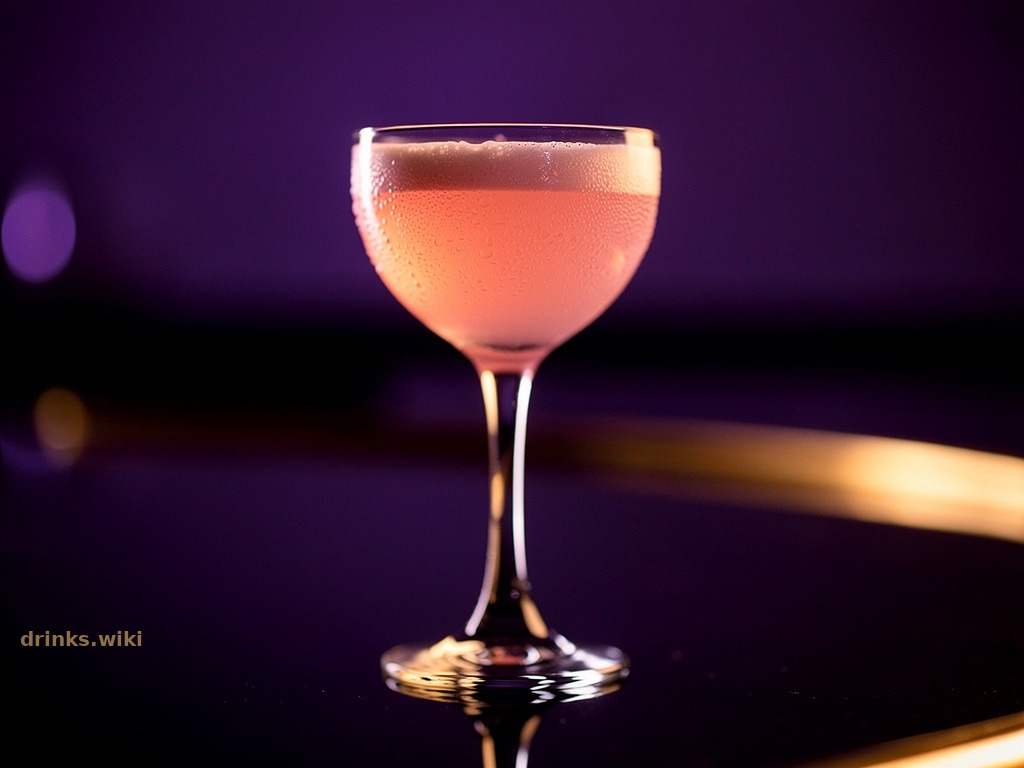
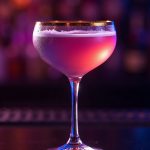
The Pink Squirrel is one of the great mid-century dessert cocktails, and one of the few pink drinks with a real pedigree. It is usually credited to Bryant’s Cocktail Lounge in Milwaukee, where Bryant Sharp is said to have created it in the 1940s, and it belongs to the same family as the Grasshopper and the Golden Cadillac: a crème liqueur, white crème de cacao and cream, shaken and served up.
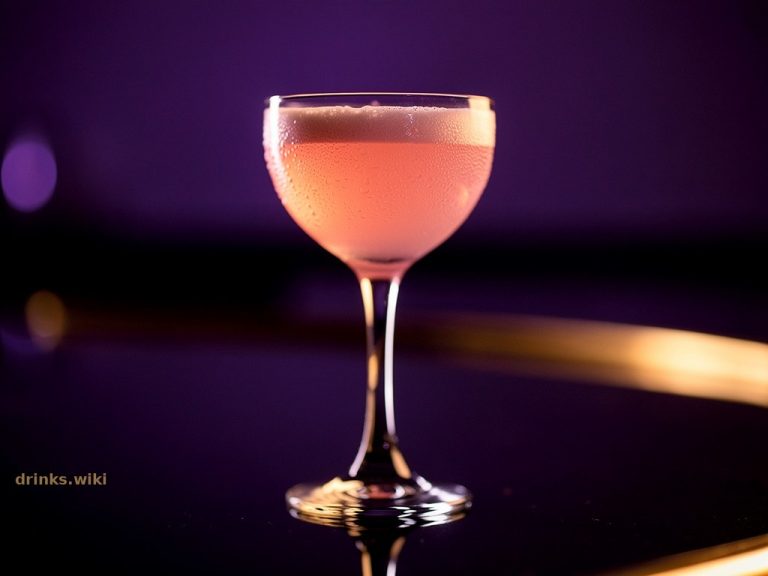
What sets it apart is crème de noyaux. It is a liqueur flavored with apricot or peach kernels, which gives it a marzipan, bitter almond character, and the common versions are colored a deep red. Mixed with the chocolate notes of the crème de cacao and softened by cream, that red turns the drink a soft shell pink, and the flavor lands somewhere between almond cake and a chocolate-covered cherry.
Noyaux fell out of fashion along with the drink, and for a while it was genuinely hard to find, which is why so many bars quietly made their Pink Squirrels with amaretto and a splash of grenadine. That version is fine, but it is sweeter and flatter, and it misses the faint bitter edge that keeps the original from turning cloying. A few producers have brought proper noyaux back, and it is worth tracking down if you want to taste what the fuss was about.
This recipe leans on the noyaux, with a full ounce of it against a tablespoon each of crème de cacao and light cream. That is less cream than many modern versions use, which makes for a lighter, more aromatic drink rather than a milkshake. It is also small, a little over two ounces before dilution, which is exactly how these after-dinner drinks were meant to be served.
Glass: Cocktail glass | Strength: Light | Serves: 1 | Prep Time: 3 minutes
Bartenders tip: Shake it harder and longer than you think you need to. Cream drinks benefit from the extra aeration, which gives the Pink Squirrel a silky texture and a thin layer of froth on top. Chill the glass in advance, since a drink this small warms up fast. If you want it richer, bump the cream up to three-quarters of an ounce, but try it as written first, because the lighter balance lets the almond come through. It is traditionally served plain, and it does not need anything added.