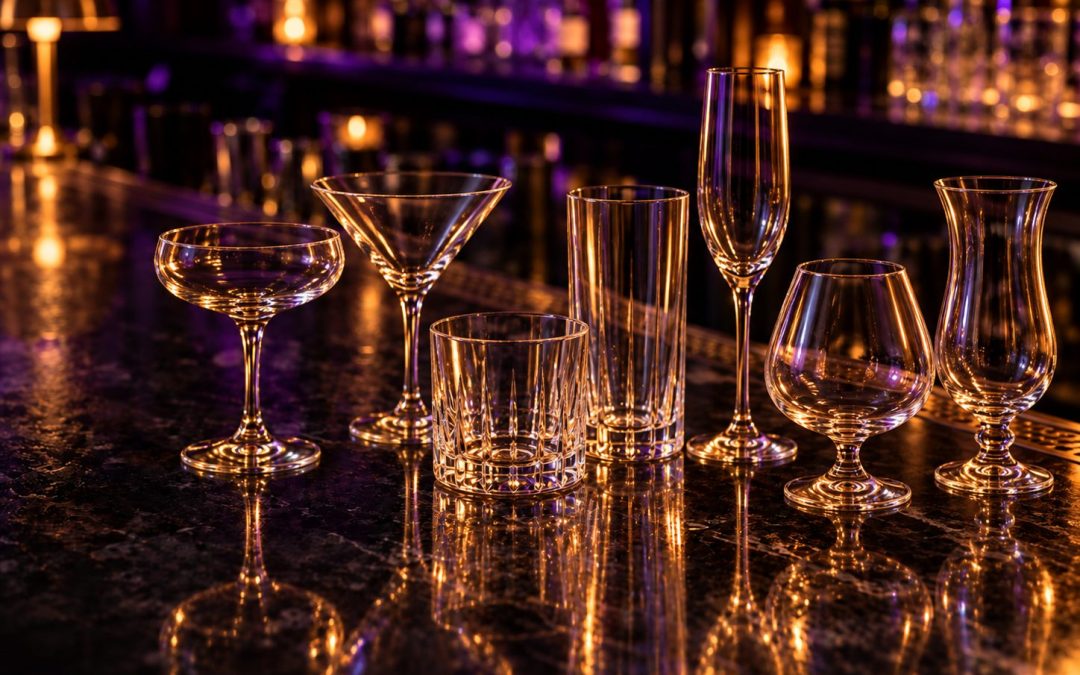
The right glass is not just about looks. It changes how cold a drink stays, how its aroma reaches you, how long the bubbles last and even how much you pour. Walk into any good cocktail bar and you will see bartenders reach for a specific glass without thinking, because each shape does a specific job.
This guide covers all 26 glasses used across the Drinks.wiki archive, grouped by type, with what each one is for and a recipe to try in it. The photos come from our own glass reference library, the same images that help make sure every drink on this site is pictured in the right glass.
Stemmed Glasses for Drinks Served Up
Drinks served “up” are chilled with ice and then strained into a glass with no ice at all. The stem is the point: you hold the glass below the bowl, so your hand does not warm the drink.
Coupe (Cocktail Glass)
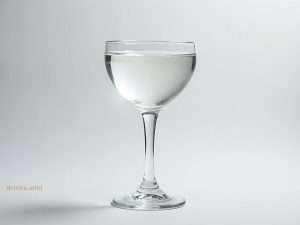
The coupe is the workhorse of the modern cocktail bar. Its shallow, rounded bowl is forgiving to carry and hard to spill, which is why it has replaced the V-shaped martini glass in so many bars. It is our default cocktail glass for shaken and stirred drinks served up, like the Perfect Manhattan, the Pisco Sour and the Naked & Famous. It also doubles as the old-fashioned champagne saucer.
Martini Glass
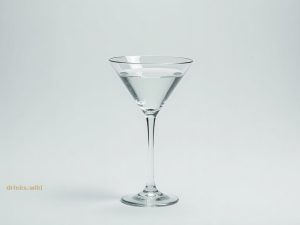
The classic V-shaped cone came into fashion in the early 20th century and still says “cocktail” better than anything else. The wide surface opens up aroma, but the steep sides make it easy to slosh, so fill it a little below the rim. An Espresso Martini looks right at home here.
Margarita Glass
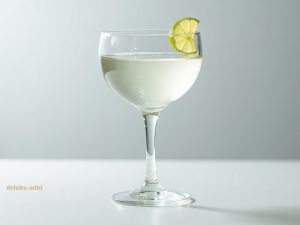
That stepped, sombrero-like bowl gives a salted or sugared rim plenty of room and holds frozen drinks without overflowing. It is as much about fun as function. Try it with the Pisang Garuda or the Perfect Kiss.
Whiskey Sour Glass
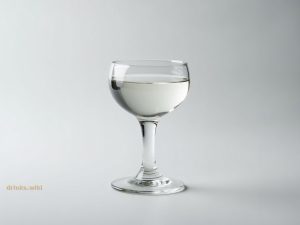
A small stemmed glass, usually around five ounces, with a gently flared bowl. It is sized for a single sour served up, so the drink stays cold to the last sip. The PEZ is served in one.
Cordial Glass
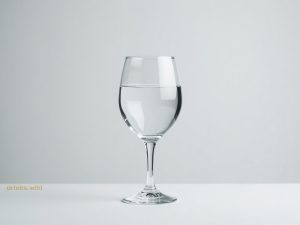
A tiny stemmed glass that holds one to two ounces. It is made for sipping liqueurs and small after-dinner drinks, where a little goes a long way.
Sherry Glass
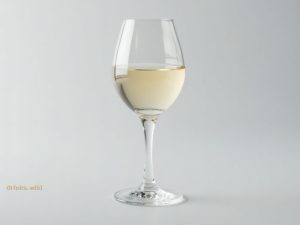
Also called a copita, this small tulip-shaped glass narrows at the top to concentrate aroma. It is ideal for sherry, port and other fortified wines, and for low-alcohol aperitifs that deserve a proper sniff.
Pousse-Café Glass
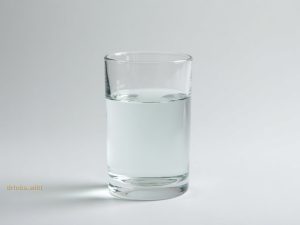
Narrow, straight-sided and stemmed, this glass exists for layered drinks. The tall, slim shape shows off each band of color when liqueurs of different densities are floated one on top of the other.
Short Glasses
Short, heavy glasses are built for drinks served over ice or straight, and for building a drink right in the glass.
Old Fashioned (Rocks) Glass
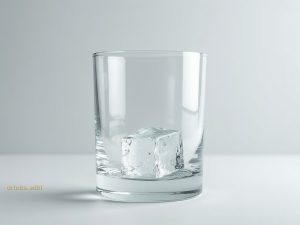
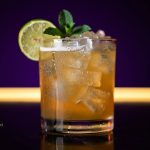
Short, wide and thick-bottomed, the rocks glass has room for a big ice cube and a sturdy base for muddling. A double old fashioned holds around 12 ounces. Use it for spirit-forward drinks and sours over ice, like the Penicillin, the Negroni Sbagliato and the Apple Butter Old Fashioned.
Shot Glass
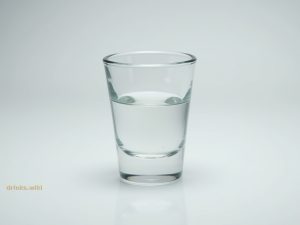
In the US a standard shot is about one and a half ounces, and the glass is sized to match. It is the home of shooters and layered shots, and our archive has well over a thousand of them on the way.
Tall Glasses
Tall glasses are for long drinks: a spirit stretched with soda, juice or tonic, served over plenty of ice.
Highball Glass
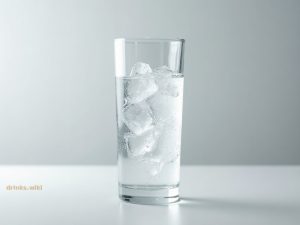
The go-to glass for a spirit and a mixer, usually holding 8 to 12 ounces. Its straight sides keep the bubbles lively and leave room for ice. Try it with the Perroquet or the Americano Highball.
Collins Glass
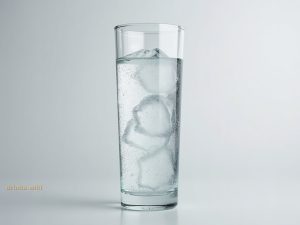
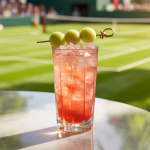
Taller and slimmer than a highball, the Collins glass is named for the Tom Collins and built for fizzes and other long, sparkling drinks. The narrow shape helps hold carbonation. The Pesticidal Cherries and the Honey Deuce both call for one.
Tall Glass
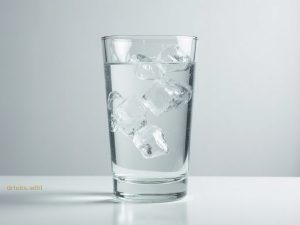
Some recipes simply call for a tall glass, and any sturdy tumbler with room for ice and a long pour will do. Our Strawberry Iced Matcha Latte uses one.
Hurricane Glass
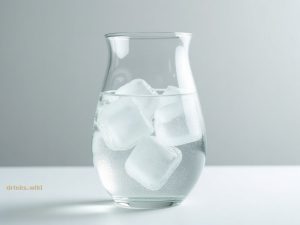
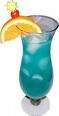
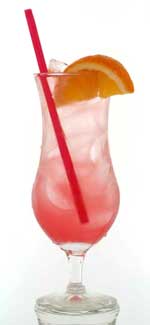
Named for its resemblance to a hurricane lamp, this curvy glass became famous in 1940s New Orleans with the Hurricane cocktail. It is the classic choice for big, fruity tropical drinks like the Airhead.
Parfait Glass
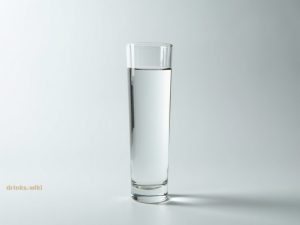
Tall, footed and tulip-shaped, the parfait glass handles frozen, creamy and blended drinks that need a little extra room at the top. The Piña Colada Royal is a perfect match.
Wine and Sparkling Glasses
Wine glasses are not just for wine. Their stems and bowls work beautifully for spritzes, fizzes and aromatic drinks.
Champagne Flute
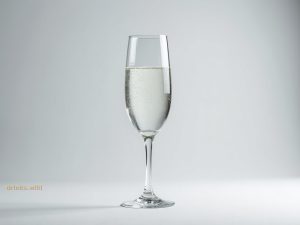
The tall, narrow bowl keeps bubbles rising for longer and shows off a steady stream of them. Use it for sparkling cocktails like the Pick-Me-Up.
Red Wine Glass
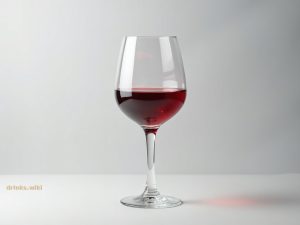
A large, round bowl gives a drink room to breathe and plenty of space for ice and garnish, which is why spritzes are so often served in one. The Pimm’s Turbo uses it.
White Wine Glass
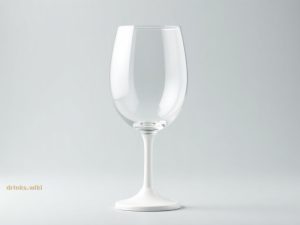
A smaller bowl than a red wine glass, which helps keep chilled drinks cold. It is a lovely home for light, bubbly drinks like the Pernod Fizz.
Brandy Snifter
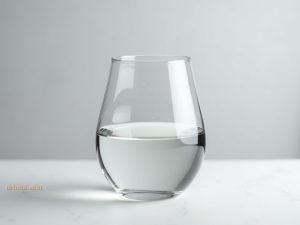
Wide at the bottom and narrow at the top, the snifter is meant to be cupped in your palm so your hand gently warms the spirit while the shape traps its aroma. The Pink Elephant is served in one.
Beer Glasses
A few of our cocktails, and plenty of beer drinks, call for a proper beer glass.
Beer Mug
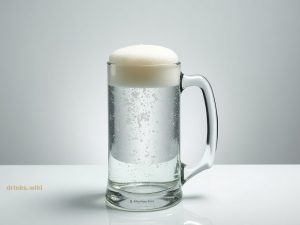
The heavy glass and handle keep your hand away from the drink so it stays cold. It is also sturdy enough for a lively bar. The Pink Pillow is served in one.
Pint Glass
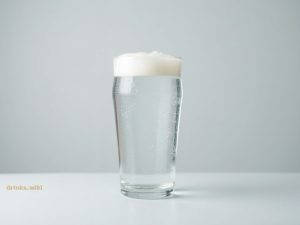
The everyday bar glass. An American shaker pint holds 16 ounces, while a British imperial pint holds 20. It shows up in casual drinks like the Pineappleless Pineapple Juice.
Pilsner Glass
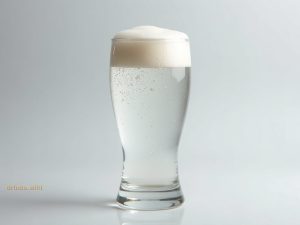
Tall, slim and tapered, the pilsner glass shows off the color and bubbles of a light lager and helps hold a neat head of foam.
Hot Drinks and Big Batches
Finally, the vessels for warm drinks, casual serves and crowds.
Irish Coffee Cup
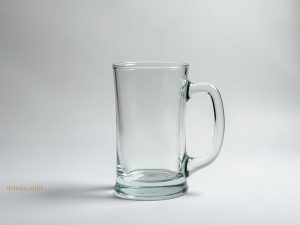
A heat-resistant glass with a handle and a short stem, made for hot drinks topped with cream, so you can see the layers. The Piper is served in one.
Coffee Mug

Sometimes the humble mug is the right call, especially for hot toddies, spiked coffee and cocoa on a cold night.
Mason Jar
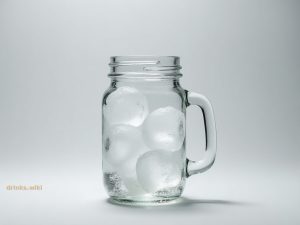
Casual, sturdy and perfect for porch drinking. A mason jar mug with a handle suits easygoing drinks like Pirate’s Tea.
Punch Bowl
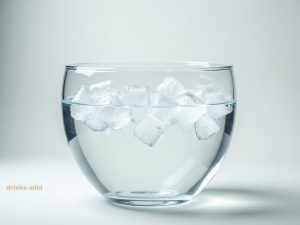
The original party vessel. Our archive has more than 300 punches, and a wide bowl with a ladle is still the most welcoming way to serve a crowd.
Pitcher
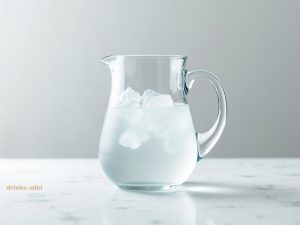
For batched drinks that go around the table. A pitcher keeps a group recipe in one place and makes refills easy.
If You Only Own Four Glasses
You do not need a cabinet full of stemware to make great drinks at home. Four glasses cover nearly everything in our archive:
- A coupe for anything shaken or stirred and served up.
- A rocks glass for spirit-forward drinks and sours over ice.
- A highball or Collins glass for long drinks, fizzes and anything with soda.
- A wine glass for spritzes, sparkling drinks and wine.
Start there, add a set of shot glasses for parties, and pick up the specialty glasses as you find drinks you love. Whatever you use, chill it first. A cold glass is the easiest upgrade in all of mixology.
© 2026 by Drinks.wiki All rights reserved. No part of this document may be reproduced or transmitted in any form or by any means, electronic, mechanical, photocopying, recording, or otherwise, without prior written permission.
Please drink responsibly. Drinks.wiki is intended for adults of legal drinking age. Never drink and drive.

Author: Howard
Meet Howard, a dedicated blogger and mixologist from Patchogue, New York. With more than 11 years of expertise in the field, he has developed his abilities to craft distinctive and avant-garde cocktails with the best ingredients and methods. He has experience in the art of mixology thanks to his employment as a qualified bartender at some of the best bars and eateries. He likes to experiment with novel flavor combinations in their own time and post their results on the well-known blog Drinks.Wiki. In addition to their bartender abilities, they are also informed about the background and traditions of mixing drinks, frequently include this information in their blog entries. Follow him for advice from the pros, recipes, and behind-the-scenes looks at the mixology industry.